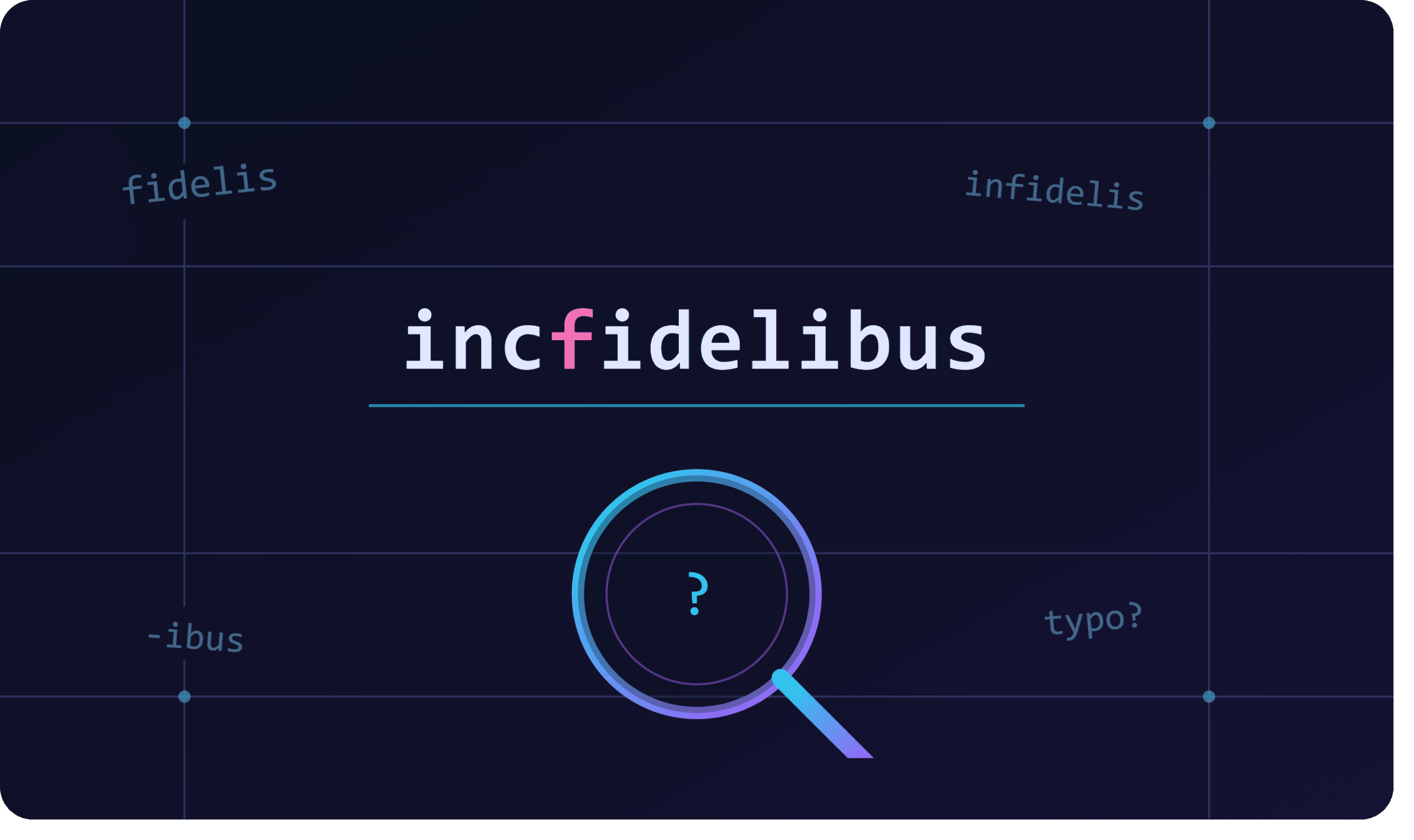
Incfidelibus is a misspelling of the Latin word infidelibus, the dative or ablative plural of infidelis, meaning “unfaithful” or “unbelieving.” It is not a brand, a hidden philosophical concept, or evidence of anything sinister on its own, it shows up online mainly because of a typo, some scam emails, and a wave of SEO content trying to explain a word that has no real mystery behind it.
Somebody typed a “c” where it didn’t belong. That’s it. That’s the whole origin story. And yet here we are, with entire articles treating it like buried treasure.
No secret brand. No ancient riddle. No deep philosophical concept, whatever three separate blogs insisted this week. Just a typo that got loose on the internet and started collecting fan fiction.
Three boring reasons this word keeps showing up: a typo, some scam emails, and content farms racing to explain something that barely needs explaining. Let’s get into the actual grammar first. Then the weirder stuff.
The Latin Origin, Explained Properly
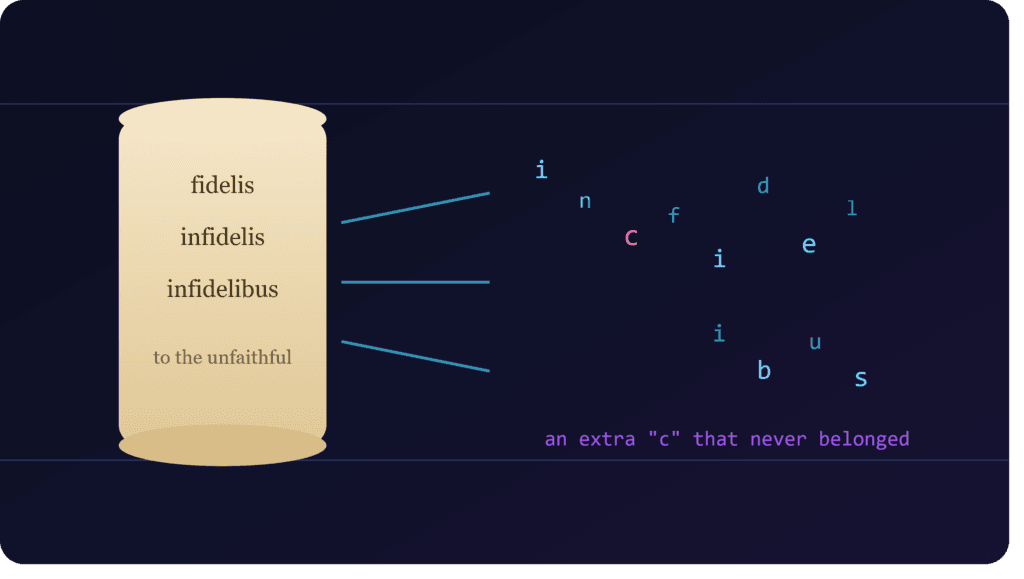
Strip the extra “c” and you’re left with infidelibus. Real word. Documented. Not controversial in the slightest, once you break it into its pieces.
Start with fidelis. Faithful, loyal, trustworthy. Comes from fides, the Latin word for faith. Cicero used it constantly for describing loyal allies, and it shows up all over Roman legal and military writing whenever someone needed a word for “can be trusted.”
Slap in- on the front, the standard negating prefix, and infidelis pops out. Unfaithful. Disloyal. Unbelieving. In Christian Latin specifically, this word picked up extra religious baggage over time, infideles, the plural, became shorthand for people outside the faith. Runs throughout medieval theology.
Then -ibus on the end, standard dative or ablative plural ending for this kind of adjective. Attach it, and infidelibus comes out meaning “to the unbelievers” or “among the unbelievers,” depending what’s around it. Pair it with in or inter and you get phrases that meant exactly that, “among the unbelievers,” ordinary language in missionary writing, canon law, religious discussion of the period.
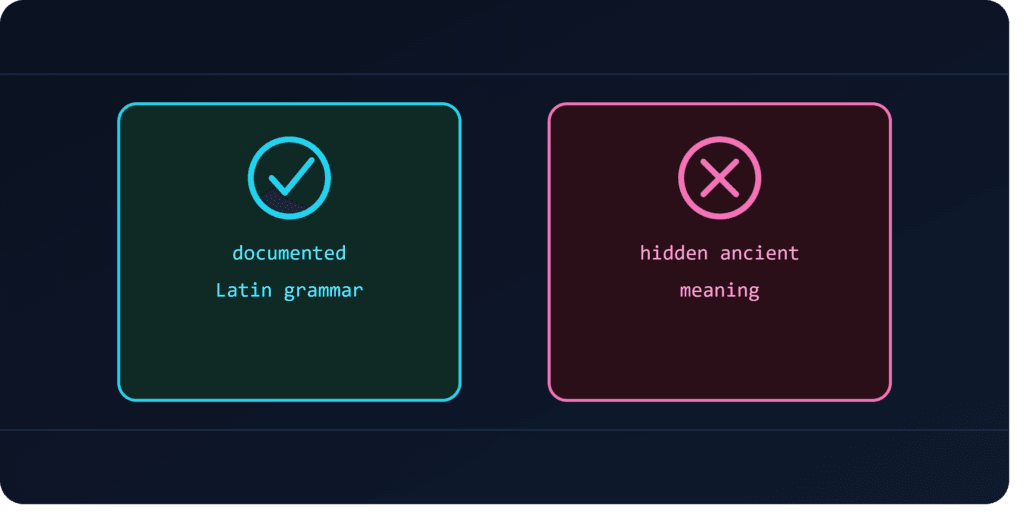
Nothing invented here. Aquinas used it. Real papal documents use it. About as unremarkable as medieval Latin gets.
That extra “c,” though? Comes from nowhere. No rule in Latin grammar puts a “c” in front of “fidelibus.” Standard prefix before an “f” sound is just “in-.” Full stop. Nobody’s entirely sure where the extra letter snuck in from. Best guess, and it’s probably right: a typo, copied enough times to start looking like it meant something.
Why the Word(incfidelibus) Keeps Showing Up Online
A few things tangled together here. Worth pulling apart one at a time.
The typo itself probably started small. Somebody mistyping “infidelibus” while transcribing old Latin text, maybe academic, maybe through a scanned document where OCR software misread a letter. Genealogy archives and digitized historical records do this constantly. Once a variant spelling exists online, search engines just treat it like its own word.
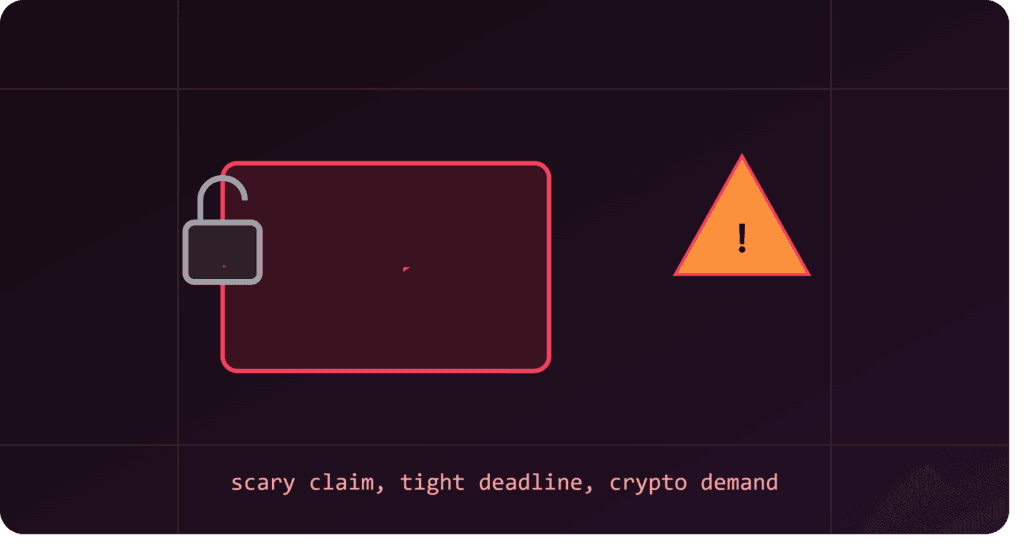
Then the scam-email thing, and this part’s genuinely useful to know. The term’s turned up in emails claiming to have hacked your device, grabbed footage off your webcam, gotten hold of private information, using a strange, foreign-sounding name to make the threat land harder. Saw “incfidelibus” as a sender name or subject line in something threatening? That’s almost certainly it. These go out automated, to enormous mailing lists, running purely on fear rather than any actual break-in. Familiar shape if you follow cybersecurity news at all: scary claim, crypto payment demand (harder to trace), tight deadline built to rush you past thinking straight. Response stays the same no matter what word’s attached: don’t pay, don’t reply, don’t click. Genuinely worried your device is compromised? Run your phone’s built-in security scan. Call the manufacturer. Beats reacting to a scary email every time.
Separately, the name’s turned up connected to sites pushing phone hacking, WhatsApp monitoring, spying services. Real connection here, unclear. Might just be the same word getting reused with zero actual link between the sites. Either way, this whole category deserves caution, whatever name gets slapped on it. Monitoring someone’s phone without their knowledge is illegal almost everywhere, wiretapping law, computer misuse law, privacy law, depending where you are. Services advertising this kind of access publicly are frequently scams themselves, charging upfront for software that either doesn’t work or exists to harvest your payment details. Worried about your own phone? Check your installed apps yourself. Beats searching a word from a spam email.
Put an unusual word online long enough, get it any traffic at all, and content shows up fast trying to explain it. Some careful. Plenty not, especially once the word has no clear meaning to build from in the first place. That’s the whole reason results for something like this end up such a mess. One article says ancient mystery. Another says modern brand. Barely any agreement anywhere.
What’s Actually(incfidelibus) Verifiable vs. What Isn’t
| Claim | Verifiable? |
|---|---|
| “Incfidelibus” is a typo of the real Latin word “infidelibus” | Yes |
| “Infidelibus” appears in medieval theological texts, including Aquinas | Yes |
| The word follows standard third-declension Latin grammar rules | Yes |
| The term has appeared in scam or extortion-style emails | Reported, consistent with known scam patterns |
| The name is connected to phone-monitoring or spying claims | Reported, though the actual service behind it is unclear |
| It has deep historical or philosophical significance on its own, as its own concept | No |
| It’s a recognized “digital branding identity” for usernames or gaming | No |
| It’s connected to a “dining and storytelling” brand | No independent verification found |
What to Actually Do If You Got an Email With This Word(incfidelibus) In It
Threatening email? Claims about your webcam, your files, compromising material? Spam. Treat it like spam. Don’t respond. Don’t click. Don’t send a dollar. Mark it as phishing so future messages from that sender get filtered automatically. Want extra peace of mind anyway, change your email password, turn on two-factor. Not because the email proved anything. Just good practice regardless.
Email pushing a phone-monitoring service directly instead? Same rule as any unsolicited offer promising access to someone else’s device. Probably doesn’t work. Probably illegal to use as advertised. Probably just after your card details.
How to Spot This Type of Scam Email in General
The “incfidelibus” version’s not a one-off. One variant of a format that’s circulated for years, sometimes called sextortion email, sometimes hacker extortion spam. Knowing the shape helps no matter which odd word shows up in your specific inbox.
A few traits, almost every time. A claim about accessing your device somehow, webcam, browsing history, malware supposedly planted months back. Often a real password of yours, pulled from some old, unrelated breach, meant to make the whole thing feel legit even though it usually has nothing to do with your current accounts. Payment demand in crypto specifically, harder to trace. Tight deadline, 24 to 72 hours typically, built to rush you past thinking it over.
None of that proves anything about your actual security. Persuasion, not evidence. Spot an old password in one of these? Worth updating, sure. Doesn’t mean a live compromise is happening. Not even close. The FTC’s own consumer alert on Bitcoin blackmail and hacker extortion emails covers this exact pattern in detail, worth a read if one lands in your inbox.
If a strange name attached to a scam or a shady service sounds familiar, it’s the same story as Voozon, a name used by at least one platform showing similar task-and-reward scam warning signs.
Why Search Results for Unusual Words(incfidelibus) Get This Messy
Worth zooming out, since this stretches past just this one word. Something starts pulling search volume, typo, scam campaign, fictional reference, plain curiosity, doesn’t matter which, content shows up fast trying to grab a slice. Some careful. Plenty not, especially once the word’s got no clear, documented meaning to work from.
Latin terms get hit by this constantly. They sound authoritative by default, easy to dress up with invented history that most readers can’t quickly check. A line like “medieval scholars debated the nuanced application of this term” sounds convincing whether or not a single medieval scholar ever did anything close. Safest habit: look for an actual source. A specific text. A specific person. A specific date. Not a vague wave at “scholars” in general.
Frequently Asked Questions
What does incfidelibus mean?
A misspelling of the Latin word infidelibus, dative or ablative plural of infidelis, meaning roughly “to” or “among the unfaithful.” Not a standalone word on its own.
Why did I see incfidelibus in an email?
Shown up in scam campaigns built to sound threatening, usually paired with hacking claims. Got one? Almost certainly mass-sent spam. Don’t respond, don’t pay.
Is incfidelibus a real company or app?
No verified evidence of a legitimate company behind this name. Turned up connected to phone-monitoring claims on some sites, worth caution regardless.
Is incfidelibus a real Latin word?
Not quite. Real word is infidelibus, no extra “c.” Incfidelibus looks like a persistent typo that picked up its own search traffic.
Should I be worried if I got an email with this word(incfidelibus) in the subject line?
Generally, no. Not because of the word itself. Treat it like any threatening spam: don’t engage, don’t pay, report it.
Bottom Line
Real answer’s short, even if the search results around it aren’t. Incfidelibus is a typo of a genuine Latin word, one that picked up extra attention thanks to scam emails and phone-monitoring claims riding on the name. Not because of anything hidden in the word itself. Found it in a threatening email? Spam. Move on. Researching phone security? Stay cautious of anything promising to hack a device, whatever name’s attached. Just curious about the word? Now you’ve got the actual grammar. No invented history required.