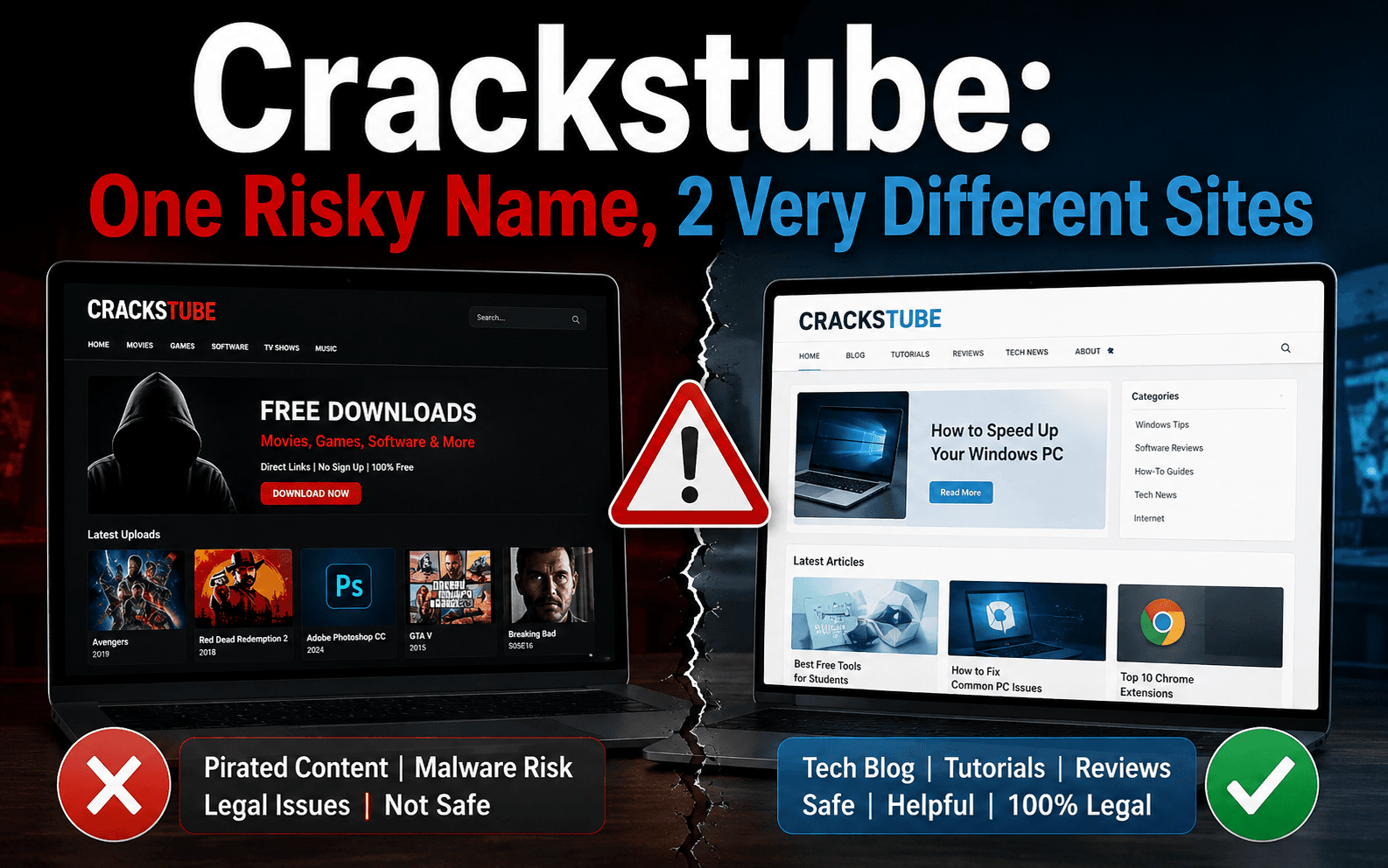
One name, two completely different things, and only one of them is worth your time. “Crackstube” refers to at least two unrelated things online: a self-described publishing platform at CracksTube.com covering topics like technology and finance, and a separate name associated with pirated or adult streaming content. This article covers the first one only. The second gets a warning, not a walkthrough.
Here’s the short version, and why caution matters regardless of which one brought you here.
The Publishing Platform Side
CracksTube.com presents itself as a digital media and publishing site, running articles across technology, finance, business, education, real estate, and law, accepting guest post submissions along the way. Some coverage notes it’s maintained a multi-year publishing history, a DMCA page, a privacy policy, the basic markers of a functioning content operation, nothing unusual there on its own.
Worth flagging, though. Several articles about this platform spend unusual energy insisting it’s “not what you think,” working overtime to distance the name from its more troubling association. That kind of defensive framing shows up constantly with platforms sharing a name with something riskier, and it deserves the same caution as any unverified content site. Check for real editorial transparency, named ownership, independent reviews, before trusting it with a guest post or anything else.
Why the Name Itself Is a Warning Sign
“Crack” carries a specific, well-known meaning online. Software with copy protection stripped out, typically distributed illegally. Names built around that word, legitimate business attached or not, tend to pull in exactly the kind of low-quality, unverified sites riding on search traffic from people hunting pirated content or free streaming.
That second category, sites trading in pirated media or unverified adult content, isn’t getting described, linked, or explained here. Deliberate line, that. Sites in this space are a well-documented source of malware, scam ads, and depending where you live, real legal exposure. Google’s Safe Browsing initiative tracks and warns against exactly this category of site across billions of devices daily, worth understanding how that protection works if you’re unsure whether a link is safe. Search for “Crackstube” led you somewhere promising free access to copyrighted content or streaming outside official channels? Closing the tab beats exploring further, every time.
What to Actually Do
Here for the publishing platform specifically? Treat it like any general content site. Verify editorial claims independently, check for real contact information, don’t take “not piracy, we promise” messaging alone as proof of legitimacy.
Here because you stumbled on the name hunting free streaming or software instead? Worth reconsidering entirely. Legitimate streaming and software come through official, paid, or clearly licensed channels. Anything promising free access under a name like this carries risk that isn’t worth whatever it’s dangling.
Frequently Asked Questions
What is Crackstube?
The name refers to at least two unrelated things: a self-described publishing platform at CracksTube.com, and a separate association with pirated or adult streaming content that this article doesn’t cover in detail.
Is CracksTube.com safe to use?
It shows markers of a functioning content site, a privacy policy, a DMCA page, an actual publishing history. Same rule as any unfamiliar platform applies, verify independently before trusting it with sensitive information or a guest submission.
Is Crackstube legal?
The publishing platform itself doesn’t appear to raise legal concerns based on available information. Sites associated with pirated content or unauthorized streaming, which the name is also linked to, carry real legal and security risk depending on your location.
Bottom Line
“Crackstube” is a name worth treating carefully no matter which version brought you here. The publishing platform side presents itself as legitimate but still deserves the same independent verification as any unfamiliar content site. The other association carries real risk and isn’t worth exploring, whatever it claims to offer for free usually costs more in security or legal exposure than it’s ever worth.
We’ve flagged this same “free access, don’t ask questions” pattern before, in Trucofax’s reward-generator apps and in Voozon’s task-based earning platform. Different names, same underlying warning sign: anything promising something valuable for free, outside official channels, deserves extra scrutiny before you click anything. For a broader look at how these unverified-site patterns get spotted, the FTC’s guide on recognizing phishing and scam sites covers the same red flags from a different angle.