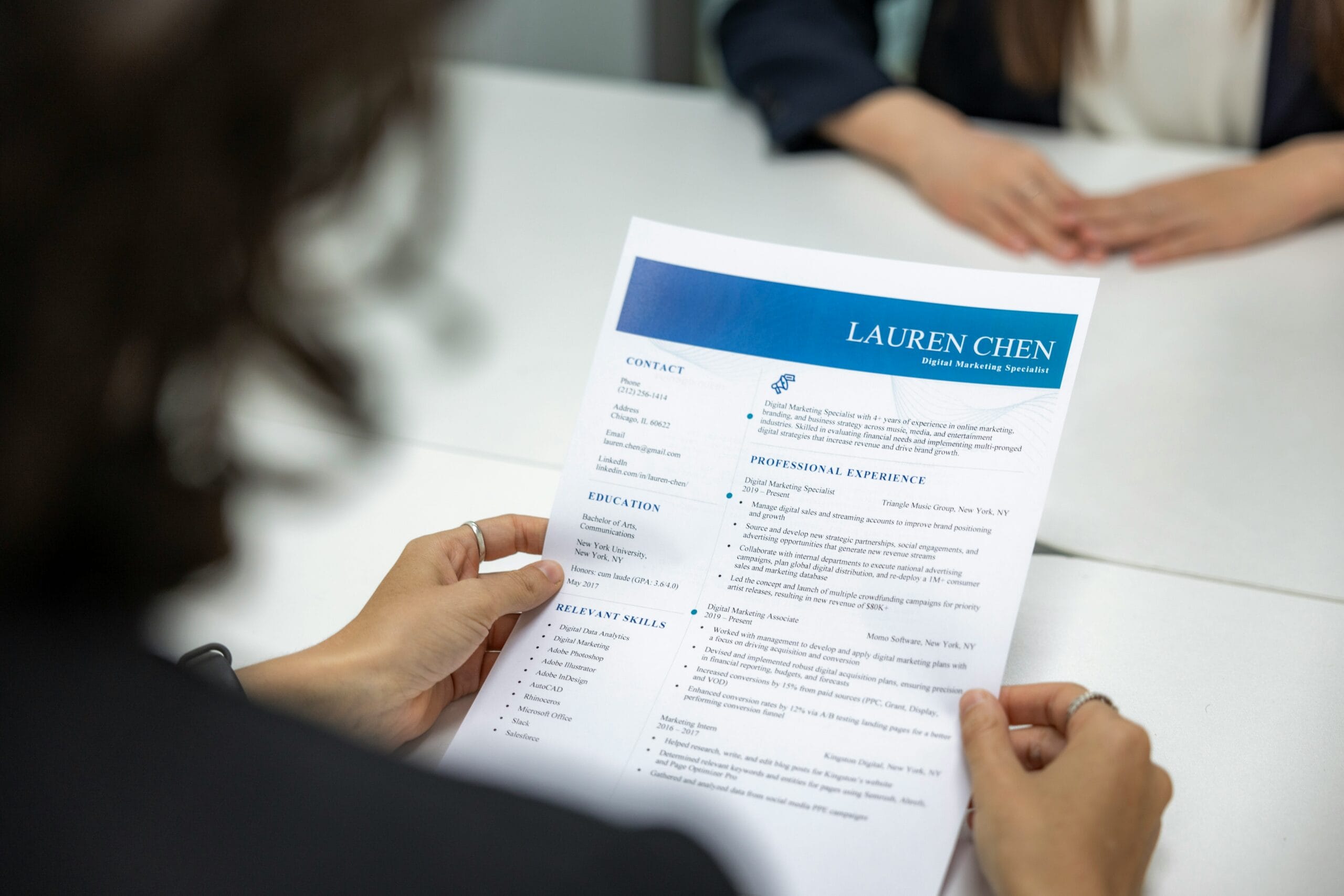
A resume has one job and that is to get you an interview. It is not meant to impress your friend who is reading it for you. It is also not meant to look good when it is printed on paper.
The main goal of a resume is to get a stranger who works in a hiring system to say yes we want to talk to this person. A resume should make this stranger want to meet the person who wrote it which is you the job applicant. The person, in charge of hiring will look at your resume and decide if they want to talk to you so your resume should be good enough to make them say yes let us talk to this person and that is the job of a resume.This resume guide 2026 is really about one thing and that is to help you. It begins with a surprising number that will completely change the way you think about every single thing you read in this article. The number is this: 75 percent of resumes get rejected by the computer systems that companies use to track job applications.
This happens before a person, the recruiter even gets to see the resume. The resume guide 2026 wants to make sure you understand this because the resume guide 2026 is here to help you make a resume.Strong communication and learning skills can make your resume more effective. Learn more in our Study Skills for Life guide.That statistic explains why so much resume advice feels contradictory. What reads well to a person and what gets correctly parsed by software are sometimes different things, and a resume guide that only addresses one half of that equation will get you stuck.
This guide covers both the formatting and keyword strategy that gets you past the software and the content strategy that gets you the interview once a human actually opens the file.
Why So Many Resumes Get Rejected Before Anyone Reads Them
Most companies of big size use a special computer system to look at job applications before a recruiter does.
This resume guide 2026 starts here because everything else depends on clearing this filter first. These systems scan for keyword matches, parse your formatting into a structured profile, and rank candidates against the job description and a resume that looks perfectly readable to you can be unreadable to that software if it uses the wrong layout, file type, or section headers.
This is not a reason to freak out or to rewrite your resume for a computer. It’s a reason to make sure your resume can be read by a machine, like a requirement. You know, like making sure a website works before you worry about how good the words on the homepage’re. First, get the technical part right then focus on the stuff that will actually convince a person to hire you.
Choosing the Right Resume Format
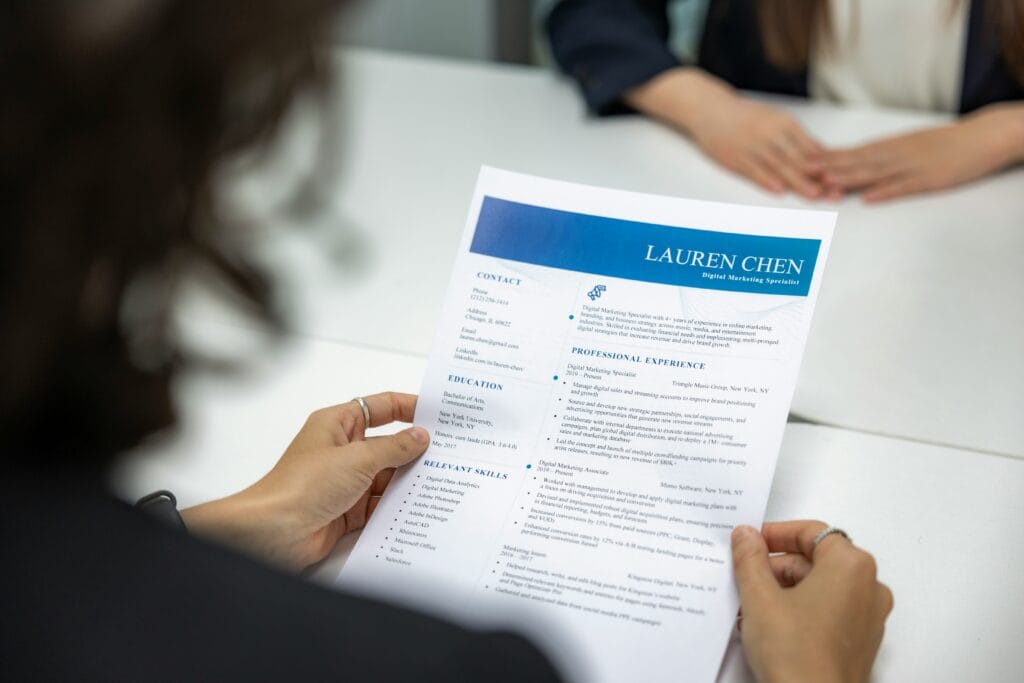
Picking the right structure is one of the first decisions any resume guide 2026 should walk you through, since the wrong format can undercut even strong content.
Chronological Format
List your work experience in order, with the most recent experience first. This is usually the way to list work experience. It helps if you have a work history in one field.
Most ATS systems can easily read this format. Hiring managers are also used to reading it. They can quickly scan through it..
Functional Format
When you make a resume you should organize it around the skills and competencies that you have. This is very helpful for people who have gaps in their employment history or people who are changing careers.
The skills and competencies resume can be very useful for people with employment gaps or people who are changing careers. However some people who look at resumes, for companies and some recruiters do not like the skills and competencies resume. They think that people use this type of resume to hide something.
Hybrid Format
Leads with a skills summary, then follows with a standard reverse-chronological work history. For most career changers and people with non-linear paths, this format gets the benefit of a functional resume’s skills emphasis without losing the ATS-friendly, recruiter-familiar timeline structure.
Quick decision guide:
If your work history is consistent and relevant, use chronological. If you’re changing careers or industries, use hybrid. Avoid pure functional format unless you have a specific reason to obscure timeline gaps, and even then, hybrid usually works better.
ATS Optimization: What This Resume Guide 2026 Recommends to Get Past the Software
Match Job Posting Language Exactly
The language which is suggested in resume guide 2026. ATS software does not always recognize words. For example if a job says it wants someone with experience in project management and your resume says you have experience in program coordination the software might not realize they are related. So what you should do is look at the job posting and find the phrases they use like the job title, the tools they want you to know the certifications they are looking for and the skills they mention more than once. Then use those phrases in your resume so it says the same things the job posting says, like project management because the ATS software will recognize those exact phrases. This way the ATS software will see that your resume has the words as the job posting, like the job title and the skills and it will be more likely to show your resume, to the person who is hiring for the job.
Use Standard Section For Headings
When you are making a resume, you should use headings like “Experience” “Education” “Skills”. Do not try to be too creative with headings like “My Journey” or “What I Bring”. The computers that read resumes are set up to look for headings like “Experience” “Education” “Skills”. If you use something the computer might not understand it and could miss important information about you. This is because the computers are built around expected section structures and unusual headings can cause your “Experience” “Education” “Skills” information to get misread or dropped entirely.
Keep Formatting Simple
When you are making a resume it is an idea to use simple things like Tables and text boxes and graphics very little. This is because they can confuse the computer programs that read resumes called ATS parsers often than they make a good impression on the people who are hiring called recruiters.It is better to use an simple layout for your resume with just one column and standard fonts, like Calibri or Arial. This way your resume will look good on any computer system that people use to look at resumes.
Target Keyword Density Without Stuffing
A reasonable target is integrating 15 to 25 relevant keywords naturally across your summary, skills section, and experience bullets not crammed into a single list, but woven into real sentences describing what you actually did. Keyword stuffing is detectable by modern ATS systems and reads poorly to humans regardless.Use the keyword which is guide by resume guide 2026.
Writing Resume Content That Actually Persuades
Lead With Outcomes, Not Duties
“Managed a team” tells a hiring manager nothing distinctive. “Managed a 6-person team and reduced project delivery time by 30% over two quarters” tells them exactly what kind of manager you are and what you’re capable of producing. Every bullet point should answer the question: what changed because you were there?This principle holds across every industry, including ones that don’t obviously lend themselves to numbers. In our deep-dive on writing a fitness industry resume, the same logic applies directly client retention rates, revenue contribution, and program completion percentages turn a generic “led training sessions” bullet into something a gym owner actually remembers.
Open With a Targeted Summary, Not a Mission Statement
Skip “results-driven professional seeking to leverage skills.” It says nothing specific and every other applicant writes some version of the same sentence. A stronger summary names your core expertise, years of relevant experience, and one concrete outcome all in two or three sentences a hiring manager can actually retain. Which is also gudied in this resume guide 2026.
Quantify Wherever You Can and Estimate Honestly When You Can not
Not every role generates obvious metrics, but most have more available than people realize. Customer service roles can cite resolution rates or satisfaction scores. Administrative roles can cite volume handled or process improvements implemented. When exact numbers aren’t available, a defensible estimate (“supported a team of approximately 15”) is still more persuasive than no number at all.
Tailoring Your Resume for Every Application
When you read a resume guide 2026 it will tell you that sending the same resume to every job is a big mistake. A lot of people who’re qualified do not get interviews because of this. You do not have to write a new resume every time. You just have to change a things, like your summary and the order of the things you list to make it match the job you are applying for.
To do this in a way you can look at a few job postings, for the kind of job you want. See what skills and words keep coming up in all of them. Then you can put those words into your resume. After that you can make small changes to fit each job you apply for of starting all over again by applying the guide which is present in this resume guide 2026.
Common Resume Mistakes That Cost Interviews
The mistakes below show up across nearly every resume this guide has reviewed, regardless of industry or experience level this resume guide 2026 will fix it:
- Listing responsibilities instead of results. A duty-focused bullet describes what the job involved. An outcome-focused bullet describes what you accomplished and only one of those differentiates you from every other applicant with the same job title.
- Using an objective statement instead of a summary. “Seeking a challenging position” tells an employer what you want, not what you offer. Lead with value, not want.
- Including irrelevant personal information.When you are applying for a job things like your age. If you are married do not really matter. A simple photo of you also does not add anything to your application. In fact these things can actually hurt you because they can make people think of you in a way without even realizing it.
- Using the resume, for every job you apply to is not a good idea. Even if you have a good resume it will not work as well as it could if you do not change it to match what each job is looking for. Each job posting is unique. Your resume should be too.
- Ignoring file format requirements. When a posting specifies PDF or Word format, follow it exactly — submitting the wrong file type can prevent your resume from being parsed at all.
Writing a Resume With Limited or No Direct Experience

This part of the resume guide 2026 is really important for students, people who are changing careers and anyone who is just starting out.
When you are new to a career or switching to a field not having job titles that match the job you want doesn’t mean you don’t have relevant experience. You can include things like coursework, volunteer work, academic projects and skills you learned from jobs on your resume guide 2026.
The key is to focus on what you achieved than just listing what you did.
Here are some tips to make your resume stand out:
* Start with a summary that highlights your skills
* If you’re a student or recent graduate put your education at the top
* For each job or experience focus on the skills you used, like leadership problem-solving or communication skills
* Even if your job wasn’t directly related to the one you want you can still show how your skills can be applied.
Frequently Asked Questions
How long should a resume be?
According to this resume guide 2026 one page is right for most candidates with under ten years of experience. Two pages is reasonable for senior professionals with extensive, directly relevant history, but length should never come at the cost of clarity a padded two-page resume performs worse than a tight one-page version.
What file format should I submit my resume in?
PDF is the safest default unless a job posting specifically requests another format, since it preserves formatting consistently across systems. Always follow explicit instructions in the job posting over general defaults.
How many keywords should be in a resume?
A good goal is to use 15 to 25 keywords from the job posting.
These keywords should be used in a way, in your summary skills section and experience points.I
t is better to include them as part of your content of listing them separately.
This will help you to create a profile that matches the job requirements.
Use the keywords from the job posting to describe your skills and experience.
Should I use a resume template?
Using a template that works with the system can save you time.
You should avoid templates that have a lot of pictures, tables or weird fonts.
The applicant tracking system may have trouble reading these templates even if they look really good.
This is because things, like graphics and unusual fonts can cause problems.So it is better to use a template when you are applying for a job.This way the applicant tracking system can read your template easily.
You want the applicant tracking system to be able to read your template.
This is why you should use a template that works with the applicant tracking system.
Do I need a different resume for every industry?
The main idea and rules for this resume guide 2026 work for different types of jobs but the way you talk about things and what is important can be different depending on the field you are in. For example if you want to write a resume for a job in the fitness industry you have to know what certifications and results are important in that field. Our guide for writing a fitness industry resume explains how to use the basic rules with the specific things that are important, for fitness jobs.
What is the single biggest factor in whether a resume gets an interview?
Evidence of outcomes over duties, combined with close alignment to the specific job postings language. A resume that lists what you did reads like every other applicants. A resume that shows what changed because of what you did stands apart immediately
Conclusion
A strong resume guide 2026 is not a single trick or template it is the combination of getting past the software and persuading the human on the other side of it. Get the ATS fundamentals right so your resume actually gets seen, then spend your real effort on outcomes, not duties, because that’s the part no algorithm can fake and no template can write for you.
Learn how AI can tailor your resume [https://hubstero.com/can-ai-tailor-my-resume-to-a-job-posting/]