
A shopping cart takes four extra seconds to load and the customer leaves. That single moment explains why speed has become the quiet battleground of modern software.Laaster talks about how systemsre now reacting really fast almost instantly so users don’t even notice a delay.In the US businesses see delay, as a cost not just a small annoyance.They actually measure it.Consequently, the conversation around Laaster-style architecture has moved from server rooms into boardrooms. This guide breaks the term down clearly, without the vague explanations that dominate most articles on the subject.
What Is Laaster?
This term is a way of designing things not something you can just go out and buy. It brings together a few ideas, like computing that happens at the edge automation that can adapt to things and handling data really quickly all under one simple idea.
Most explanations stop at buzzwords and never land on something concrete. Picture a relay race instead of a single runner. Data passes between distributed nodes quickly, each one trimming milliseconds off the total trip.
Where the Term Comes From For Laaster
Coined terms like this typically emerge from marketing teams describing existing techniques in a fresh way. It borrows heavily from established fields such as content delivery networks and real-time computing research. The word feels new; the underlying engineering has existed for over a decade. Standards bodies haven’t formally adopted the term. Readers should treat it as descriptive language, not a certified technical standard. The concepts it references, including low-latency architecture, remain well documented across computer science literature.
The Core Idea Behind It Laaster
At its heart, the approach asks one question repeatedly: can this happen faster without breaking accuracy? Engineers chase that question through caching, prediction, and smarter routing. Every technique shaves time off the gap between a request and a reply.
Speed is not the thing that matters. The system has something called logic. This adaptive logic changes how the system works. It does this based on the person who is asking for something and what that person needs. The adaptive logic is what makes this system really work for the person who is using it. The system uses logic to figure out what to do.A retail app might prioritize checkout requests over browsing traffic during a sale.
How Laaster Systems Actually Work
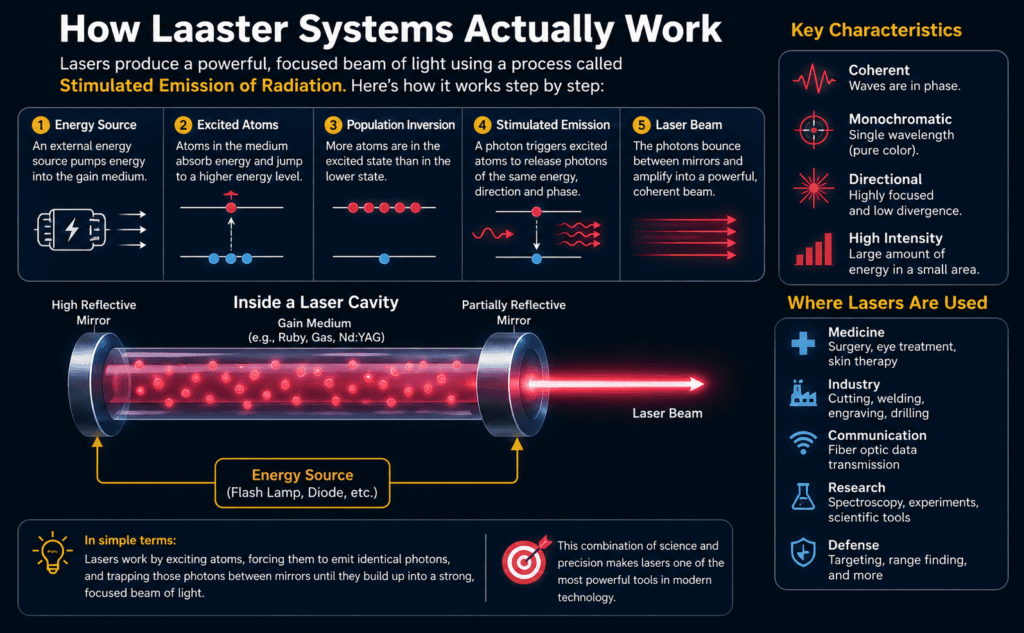
Picture a request leaving your phone and hitting the nearest available server instead of one halfway across the country. That routing decision often saves more time than any other optimization combined.
From there, real-time processing kicks in layers. A local node handles what it can instantly, while anything requiring deeper computation gets forwarded upstream. This tiered approach keeps the fast lane fast.
Processing Requests in Real Time
When a request comes in the nearest node sees if it already has the answer stored. If the nearest node has the answer it sends the reply back fast in just a few milliseconds and it does not need to go to a central server. The nearest node is pretty quick because it can just use the answer it already has.Cache hits like this account for a huge share of the speed gains people notice.
When there is no saved data the system makes an answer right away. These days the small computers at the edge of the network can do a lot of work by themselves. This is different from the way of doing things, where everything was sent back, to a big computer center that was really far away. The new edge computers can handle plenty of things locally now.
Adapting to User Behavior on the Fly
When we look at websites we notice that some of them do not change. They show the thing to every person who visits. This is a missed chance to make the website better.
Other websites are different. They watch what people do on the website. Then they change things. They might change the content or the way things are laid out on the page. They might even change what is most important. For example if someone has been to the website before to buy something the website might show them the things they were going to buy. It is like the website is saying hello and getting everything ready for them before they even start shopping. The User Behavior, on the website is what helps the website make these changes. User Behavior is very important for the website to work well.
This kind of personalization used to require slow, server-side calculations. Now, adaptive UI rendering happens close to the user, cutting the delay dramatically. E-commerce platforms lean on this heavily during events like Black Friday.
Why Low Latency Is the Foundation of Everything Here
Nothing works with this approach if we don’t fix the delay first. Other features like automation and scalability are built on top of a foundation that focuses on reducing response time.
Think of latency like friction in a machine. When we reduce it enough everything that comes after it works smoothly. This applies to things, like a checkout flow or a live dashboard. Teams that test performance think that reducing latency is the important improvement that can be made in most systems.
What “Low Latency” Really Means in Practice
So when we talk about latency we are talking about responses that come back in less than 100 milliseconds. This is not a random number. People have studied how humans perceive things. They found out that if it takes longer than that we start to notice it is slow.
To make this happen all the time you need more, than code that runs fast. You also need to make sure your network is working well your databases are good. You are using caching in a smart way. All these things are important. If one of these things is not working right then the whole thing slows down. Low latency is what we are trying to achieve and low latency is hard to get if all these pieces are not working together.
How It Affects User Experience
Delay does more than just annoy people; it actually changes how they behave. Research on how a webpage loads shows that even one extra second can make people leave the site more often. This one second can cost a lot of money when you have thousands of visitors every day.
Speed is important not for selling things online. How fast something responds also affects how people feel. If a voice assistant takes long to respond it feels like its not working right. People think that if something responds quickly it’s more reliable which makes response time, for building trust not just for technical reasons.
Core Features You’ll Find in Laaster-Style Systems
These systems share a recognizable toolkit once you know what to look for. Real-time data handling, adaptive automation, and elastic scaling show up again across different implementations.If you want to see this same verification approach applied to another trending tech name, our investigation into what Droven.io actually is walks through a similar checklist.”
Each feature reinforces the others rather than standing alone. A system with great data throughput but poor scalability will buckle under real traffic spikes.
Real-Time Data Handling
Data arrives constantly, and older systems often batch it for later processing. Modern setups analyze information the instant it lands, which unlocks use cases like live fraud detection.
This immediacy relies on event-driven architecture, where actions trigger responses automatically instead of waiting on scheduled checks. Financial platforms depend heavily on this pattern since a delayed fraud alert helps nobody.
Automation and Adaptive Logic
Automation handles repetitive decisions so engineers can focus on harder problems. Rules-based triggers manage tasks like scaling servers during traffic surges without any human clicking a button.
Layered on top, adaptive logic adjusts those rules based on context. Machine learning inference increasingly powers this layer, letting systems predict load spikes before they happen.
Built-In Scalability
Traffic never arrives evenly, and systems built for average load often collapse under peak load. Scalable architecture expands and contracts resources automatically, matching capacity to demand.
Cloud providers make this considerably easier now. Distributed networks spread load across regions, so no single point of failure can take an entire platform offline.
How to Evaluate or Implement a Laaster-Type System
Jumping into implementation without a clear evaluation plan wastes both budget and time. Start by identifying which specific delays actually hurt your business. A checkout flow deserves far more attention than a rarely visited settings page.
Once priorities are clear, testing becomes the next step. Load testing tools simulate real traffic patterns, revealing weaknesses before actual customers do.
Questions to Ask Before Adopting One
Start with the obvious question: what problem are we solving here? Vague goals like “make things faster” rarely survive a real budget conversation. Specific targets give the project a measurable finish line.
Next, ask whether your infrastructure can even support the change. Legacy systems sometimes need significant rework before benefiting from edge computing at all.
Steps to Test Real-World Performance
Begin testing with a small, controlled traffic sample rather than a full rollout. This limits risk while still generating usable performance data.
From there, gradually increase simulated load while monitoring response times. Benchmark testing tools log every spike and dip, giving teams concrete numbers instead of gut feelings.
Where This Technology Gets Used
Retailers, app developers, and hardware manufacturers all lean on these principles for different reasons. Despite different industries, the underlying goal stays consistent: shrink the gap between request and response.
Not every use case demands the same intensity of implementation either. A small blog rarely needs the same architecture as a global streaming platform.
E-commerce and Online Stores
Online retailers feel latency costs directly in checkout conversion numbers. A slow cart page during a flash sale can turn a profitable event into a frustrating one. Speed becomes a revenue lever rather than a technical nicety.
Major US retailers increasingly test real-time analytics during peak shopping periods like Cyber Monday. Small improvements in response time translate into measurable gains across millions of transactions.
SaaS and Mobile Applications
Software platforms depend on responsiveness to keep users engaged session after session. A project management tool that lags every time someone drags a task card earns a reputation for feeling clunky.
Mobile apps face a steeper challenge given inconsistent network conditions. API latency becomes the deciding factor between an app that feels native and one that feels like a slow website in a shell.
IoT and Connected Devices
Smart home devices and industrial sensors rely on immediate communication to function safely. A security camera that takes several seconds to alert someone isn’t providing much security at all.
Manufacturing floors push this further, with automated machinery reacting to sensor data instantly. IoT connectivity at this level often determines whether a safety shutoff triggers in time to prevent injury.
Laaster vs. Traditional System Architecture
Traditional systems generally prioritize thorough processing over raw speed, and that trade-off made sense for decades. Batch processing and centralized servers handled most business needs fine when instant responses weren’t expected.
Modern demands push architecture toward distributed, real-time models instead. This isn’t necessarily an upgrade in every situation. Some workloads still benefit from thorough batch processing over raw speed.
Speed and Responsiveness Compared
| Factor | Traditional Architecture | Low-Latency Architecture |
| Typical Response Time | 500ms–2s+ | Under 100ms |
| Processing Location | Centralized servers | Distributed edge nodes |
| Best Fit | Batch reporting, backups | Live apps, checkouts, IoT |
| Failure Impact | Single point of failure risk | Distributed redundancy |
| Scalability Approach | Manual capacity planning | Automated elastic scaling |
The numbers above make the trade off between things really clear. The old way of doing things is not totally useless it is just better for something that is important not for getting an answer right away. The old way is still good it is just good for things, than getting a fast response.
Cost and Complexity Trade-offs
Speed rarely comes free. Distributed infrastructure costs more to build and maintain than a single centralized server ever did. Smaller companies sometimes overestimate how much complexity their actual use case requires. Cloud providers have lowered the entry barrier significantly though. Cloud-native applications now offer managed edge services, letting smaller teams access real-time capability without hiring a dedicated infrastructure team.
Is Laaster Technology trustworthy and well established?
It is an idea to be skeptical. Many technology companies make claims about new terms.Laaster Technology is based on real computer science that people have been working on for decades.It is not something that the marketing people came up with.This is a difference when you are trying to decide if you can trust what a company, like Laaster Technology is saying.
You should trust something because it actually works, not because of what people call it. When we look at the numbers from tests we can see that these methods really do make things faster when they are done right. The idea is good. We still need to look closely at what each company says it can do one, by one.
How to Verify Vendor Claims
Ask any vendor for actual benchmark data rather than accepting marketing percentages at face value. Reputable providers publish latency benchmarks measured under realistic, varied traffic conditions rather than best-case scenarios alone. Vague claims without supporting numbers deserve immediate suspicion.
Request a trial period whenever possible, and test performance using your own real traffic patterns. Numbers generated on a vendor’s curated demo environment rarely match what you’ll experience in production. This single step catches more inflated claims than any amount of reading marketing copy.
What to Look for in Independent Reviews
Search for reviews from technical teams rather than general business publications. Engineers describing real implementation challenges provide far more useful signal than glowing testimonials on a vendor’s own website. Genuine reviews usually mention limitations alongside benefits.
When you look at community forums and what developers are talking about you can find honest feedback. People talk about the good and the bad things. If you want to know about a vendor you should look at these forums and discussion boards. You will see the problems that people have when they try to integrate the vendors products. These are things that you do not see in the stories that vendors like to tell. This way you can get an idea of what you are getting into before you spend your money on something. Community forums and developer discussion boards give you a complete picture of the vendors.
Frequently Asked Questions
What does Laaster actually mean? It describes a design approach focused on minimizing delay through distributed processing, automation, and adaptive logic rather than a single specific product or company.
Is Laaster a specific product or a general concept? It functions as a general concept, similar to how “cloud computing” describes an approach rather than one particular vendor or tool.
How is Laaster different from a CDN? A CDN focuses mainly on caching and delivering static content quickly. This broader concept includes dynamic processing, real-time adaptation, and automated decision-making beyond simple content delivery.
Does low latency guarantee better performance? Not automatically. Speed helps significantly, but poor code, weak infrastructure, or bad database design can still undermine performance regardless of how low the latency numbers look on paper.
Is this technology worth adopting for a small business? It depends heavily on your specific use case. E-commerce sites and interactive apps often benefit substantially, while simpler informational websites may see minimal practical return on the added complexity.
Final Thoughts
Speed is now an expectation for modern software. The ideas behind Laaster are based on this change. Many teams now see delay as a problem that can be solved with effort than something that can’t be avoided. This change in thinking is more important than any one method.
There is value, in low-latency architecture but you need to have realistic expectations based on actual data not just what vendors say. Be careful when choosing a vendor test their claims with your traffic and focus on the delays that affect your users.
When done this way low-latency architecture really does deliver systems that feel fast work well and are built for how people use technology today.