Some job postings in companies get a lot of applications. Over 250.. Only a few people, maybe 4 get to have an interview.. Just one person gets the job offer. Those are the chances you’re up against.So how to make a resume stand out is described below.
There’s another number to think about. A huge number of companies, between 97 and 98.8% of Fortune 500 companies, use a computer system to look at resumes before a person does. Most resumes score around 48 out of 100 on these systems. A fancy resume template or bigger font won’t make a difference. What really helps is understanding what recruiters look at when they quickly glance at your resume, for 6 or 7 seconds and making your resume fit what they want to see of ignoring it.
So here’s what actually works
How to Make a Resume Stand Out: What Recruiters Look At First
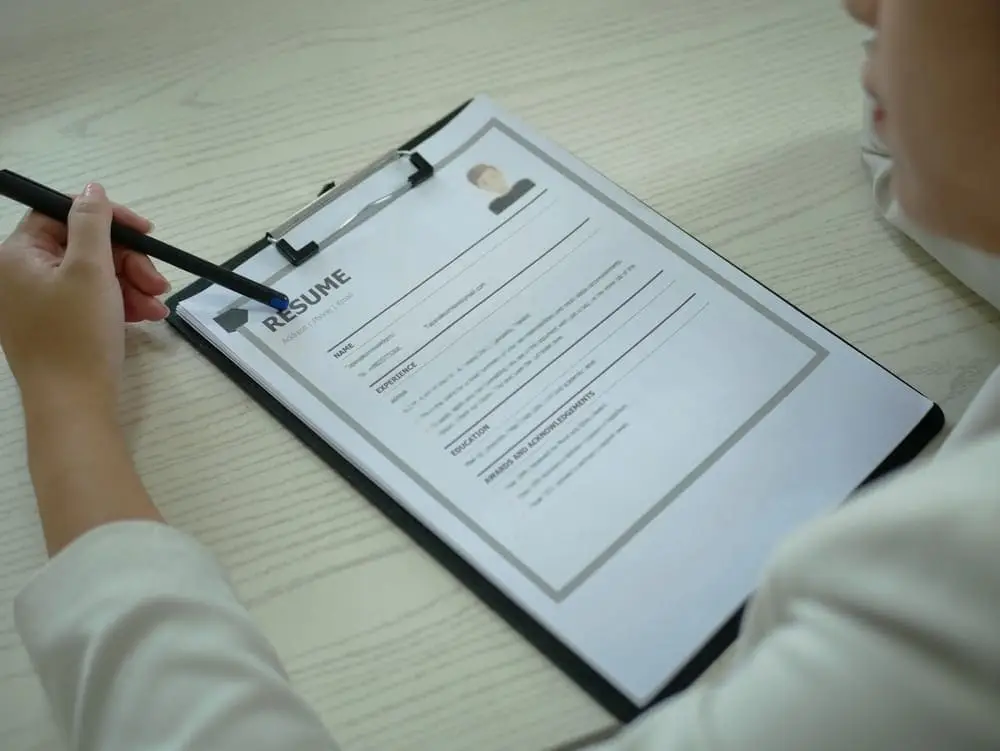
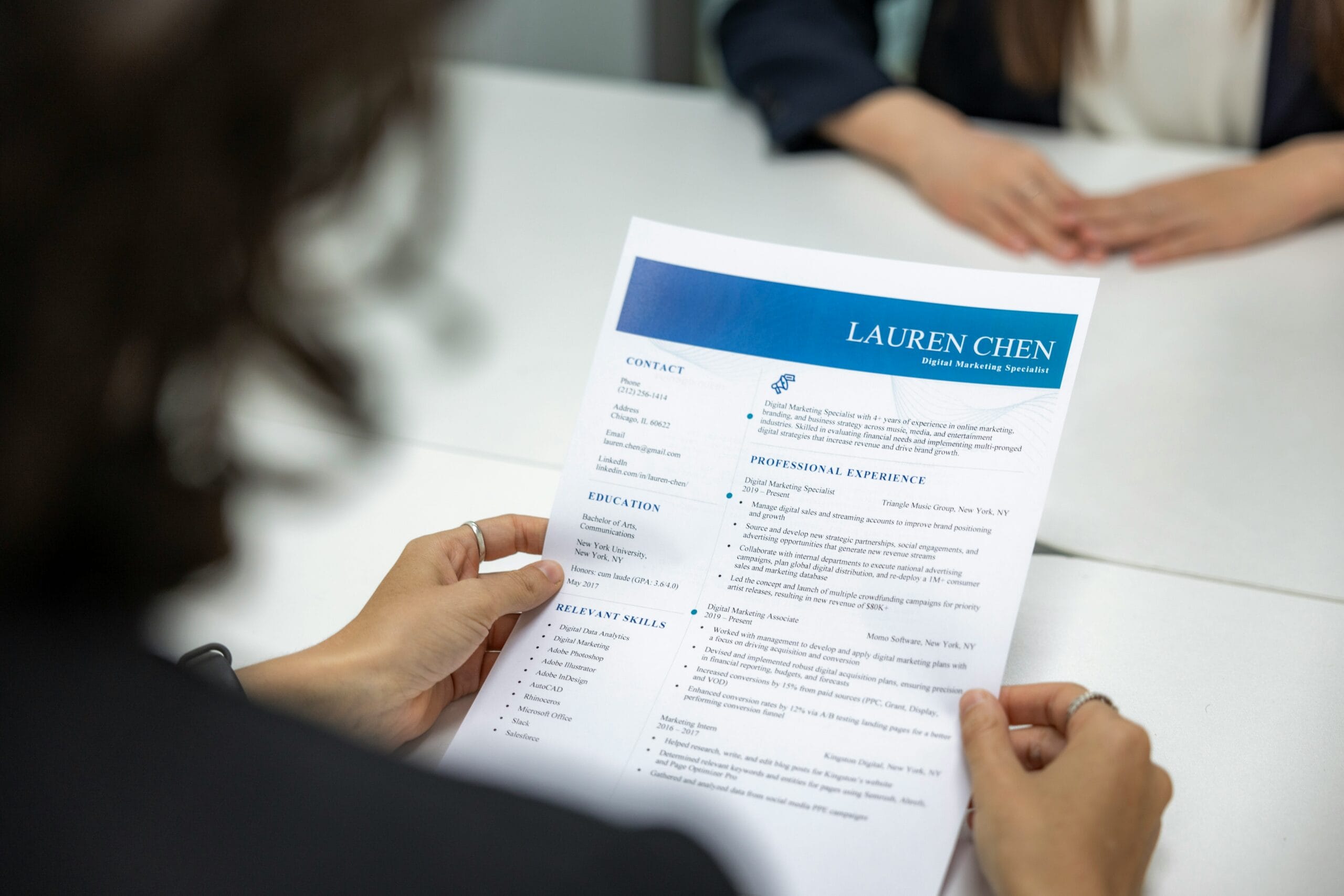
Eye-tracking studies show the thing over and over.People do not read a resume from top to bottom like a book.In the few seconds they look for a few things.
- Your current job. The job you want
- A short summary (which makes them decide if they want to read more or not)
- Any numbers you have included
- If the resume looks neat and tidy
- Keywords that match the job posting
They want to see if you are a fit, for the job quickly.Look at what’s not on that list. Your objective statement. Your hobbies. A soft-skills section with nothing behind it. None of it gets read closely , if it gets read at all.
This is something to keep in mind: people who put the job title on their resume are about ten times more likely to get an interview. This is what Jobscan says. It is one small thing at the top of the page but it makes a big difference. The exact job title, on a resume is really important it can make or break your chances of getting an interview the exact job title is what matters.
Why This Happens, and Why It Isn’t Personal
Recruiters do not look at resumes quickly because they are not doing their job. They have to look at a lot of resumes for one job. They have other work to do too. When they look at your resume for a seconds it does not mean they do not like you. It is just that their brain can only handle much information at one time.
When you think about this you should start doing things. Do not try to tell recruiters everything about your life. Instead try to make your resume stand out so recruiters will notice it when they scan it. Recruiters will scan your resume. You want to win that scan. Recruiters have to scan resumes and you want your resume to be the one that they remember so you need to make sure that recruiters see the important information, about you when they scan your resume.
Get Past the Software First
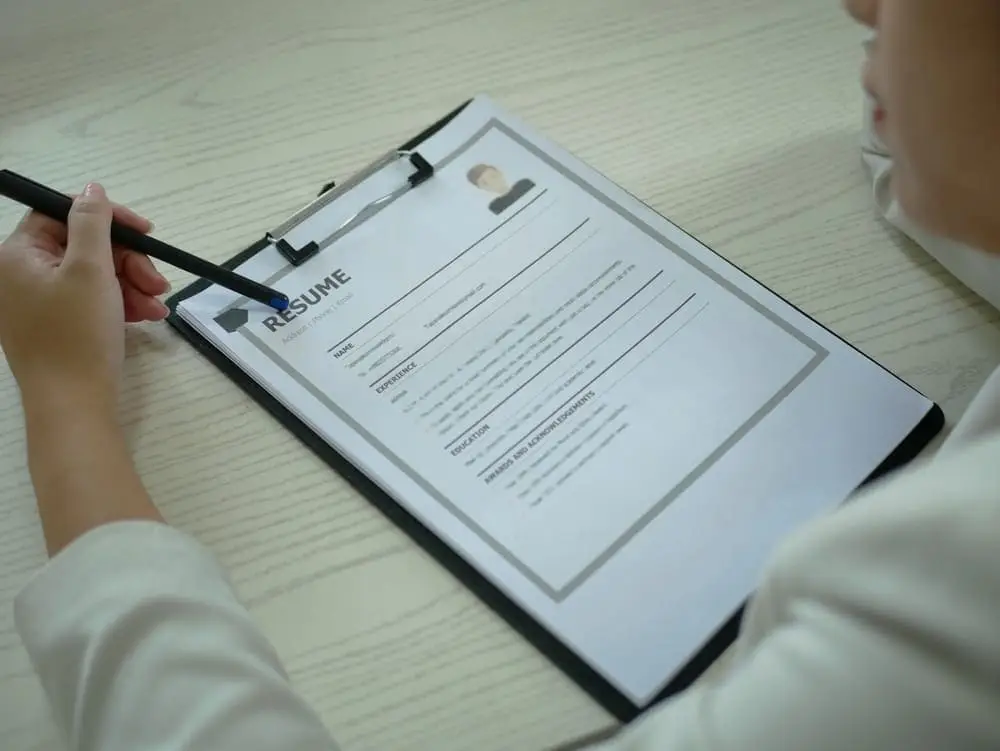
Before a human ever opens your resume, it usually goes through an applicant tracking system. Up to 75% of resumes get cut right here. So step one is simply this: a great resume nobody opens is worth nothing.
When you are making a resume it is an idea to use standard headings like Experience, Skills and Education. Do not use titles for these sections. You should also avoid using tables, text boxes and layouts with columns. The reason for this is that a lot of the software that companies use to look at resumes cannot understand these things.
You should try to use the words that are in the job posting when you are talking about your own experience.. Do not say something is true if it is not. When you are saving your resume you should save it as a file unless the company asks for a PDF. This is because.docx files work better on computers.
It is also an idea to write out the full name of something before you use the abbreviation. For example you should say “Project Management Professional (PMP)” of just “PMP”. This is because different computers may be looking for versions of the abbreviation and you want to make sure they can find yours. Use the term for things, like Project Management Professional every time you mention it so you can be sure that Project Management Professional is found by the computers that are looking at your resume.
If the posting says “project management,” don’t swap in “managed projects” just to avoid repeating a word. Use their exact phrase. A 75% keyword match or higher and your interview odds jump by roughly 50%, per the research on this.
Turn Duties Into Proof
This is where most resumes fall apart. It’s also probably the easiest thing on this list to fix.
Weak: “Managed a team.” Better: “Managed a 5-person team that increased sales by 20% in 6 months.”
The first gives a recruiter nothing to picture. The second hands them a number, a scope, a result. That gap is the whole difference between a resume that disappears into the pile and one that gets a second look.
There’s a method career coaches use called CAR. It stands for Context, Action and Result.
- Context is about the situation.
What was happening at that time?
- Action is what you did.
You took some steps.
- Result is what happened next.
For example “I reduced the time it takes for new employees to get started by 30 percent.I did this by creating a shared document that all new hires can use for training.”
This example follows the CAR method.
It shows what was going on.It tells what I did.It shares the outcome.It sounds like this: “Cut onboarding time by 30 percent.I built a shared training document, for hires.”This tells a story in a way.
Not every bullet needs this treatment. But your top three or four should carry a number or a concrete result. Some experts push for measurable outcomes in 60-70% of your bullets overall, which is higher than most people assume going in.
Keep the Formatting Boring, On Purpose
Plain formatting wins. Every time. It sounds counterintuitive but it holds up across pretty much every recruiter and ATS study out there.
Black or dark gray text on white background. Consistent spacing. No photos, no icons, no font trying to make a statement. It feels like blending in — and in a way, it is. That’s the point. Clean formatting means software and humans both find what matters instead of getting distracted by design choices you probably spent way too long agonizing over.
Reverse-chronological is still the safest bet in nearly every industry. A hybrid format, pairing a skills section with that same chronological history, works too if your background is varied — it satisfies a quick human scan while still parsing cleanly through the software.
Save the creativity for your portfolio. Your resume has one job. Get read fast, pass through filters cleanly.
Forget the One-Page Rule If It Doesn’t Fit You
“Keep it to one page” got treated like law for years. Not anymore, not once you’ve got five-plus years of relevant experience.
ATS software doesn’t punish a second page. That worry was always about human attention span, not any software limit.Don’t make your resume look good by adding things.
Also don’t try to fit much information on one page just to follow some rule.
If you have lots of experience it’s okay to use space to list it out clearly.
Let your achievements and qualifications stand out and use the space you need to show them off.
Tailor the Top Third, Every Time
When you are applying for a job sending the resume to every application is one of the fastest ways to get overlooked even when you are the right person for the job.
You do not need to rewrite the resume.
Focus on the part of the resume. The headline, the skills section and the first two or three points under your most recent job.
The resume headline, skills section and the first two or three points under your recent job should reflect the job posting you are applying to in the language that the job posting uses.
For the skills section try to include 8 to 12 keywords that genuinely match the job posting, not a long list of every keyword you can think of.
The rest of the resume everything below the skills section can usually stay the same for every job application. The resume headline, skills section and the first two or three points, under your most recent job are the most important parts to change for each job application.
Your Resume Doesn’t Exist in a Vacuum
Your resume isn’t the only thing a recruiter checks anymore. LinkedIn, a portfolio, sometimes a quick search of your name — it all factors in more than people assume.
You don’t need a flawless presence everywhere at once. You need the basics to match. Job titles and dates lining up between your resume and LinkedIn. A summary that sounds like the same person wrote both. When something’s off, it plants a small doubt right when you’re trying to earn trust.
A Quick Before-and-After
Before: “Responsible for customer service and handling complaints.” After: “Resolved 40+ customer complaints weekly, keeping a 95% satisfaction rating across a high-volume support queue.”
Before: “Helped with marketing campaigns.” After: “Coordinated 3 email campaigns that grew subscriber engagement by 22% in one quarter.”
Specific numbers. Specific scope. A verb showing you owned the work instead of standing nearby while someone else did.
Mistakes That Quietly Cost You Interviews
Check your resume against these before sending it anywhere.
Vague soft skills with nothing behind them — “great communicator,” “team player” — barely mean anything without an example attached. Either back it up or cut it.
Listing duties instead of results. A job description lists responsibilities. A resume lists outcomes. Bullets that read like they were lifted from a posting need rewriting.
Keyword stuffing. Repeating the same phrase over and over, unnaturally, gets flagged by modern ATS software, which is increasingly built to catch natural language over raw keyword density.
Leaning on AI without adding yourself back in. AI tools help with a first draft and with catching keywords you missed. But recruiters this year are pushing back on resumes that read like nobody wrote them. Use the tool to get moving, then go back and add the specific details a prompt could never know about you.
Treating your resume like it’s fixed. What you send one company shouldn’t match what you send another, especially near the top.
A Quick Checklist Before You Hit Submit
Does your summary mention the job title, close to word for word? Do your top three bullets carry a number or a measurable result? Have you mirrored the keywords from this posting specifically? Is the formatting simple enough for a human and a scanner to both read it easily? Do your LinkedIn and resume tell roughly the same story?
One more — read it out loud before you send it. Sounds small. Catches more than people expect.
Action Verbs Do More Work Than You’d Think
The verb at the start of a bullet changes how much ownership it implies, even for the exact same task.
“Helped organize an event” sounds like standing nearby. “Led the planning for a 200-person event” sounds like you ran the thing. Same event, different impression entirely.
Lean on: led, built, launched, negotiated, reduced, increased, redesigned. Cut: helped, assisted, worked on, participated in, responsible for. Not wrong, exactly. Just vague enough to undersell whatever you did. Swapping ten or fifteen weak verbs takes maybe twenty minutes and does more for a resume than most people expect.
How to Make a Resume Stand Out: Putting It All Together
Want more on any one piece of this? There’s a separate guide on resume skills sections covering what to list and how many. A complete resume guide walks through formatting and structure start to finish. And a piece on using AI to tailor your resume covers how to do that without it sounding generic.
It comes down to one shift: stop writing a resume that describes your job. Write one that proves your impact instead.
Frequently Asked Questions
How long should a resume be in 2026?
A resume can be one page if you do not have experience. If you have than five years of experience a two-page resume is fine. The length of a resume does not affect the ATS software. It does affect how long a human can focus.
Do I need a resume for every job?
You do not need to start from scratch every time. Just update the part of your resume like your summary, skills and first few bullet points to match the job posting keywords.
Does resume design matter?
Resume design is not as important as people think. A clean and simple format is better, than a design because it is easier for both software and humans to read.
Is it okay to use AI to help write my resume?
You can use AI as a starting point. Many good resumes use AI to help with drafting and finding keywords. Then add specific details that a computer program would not know. Recruiters can usually tell if a resume was only written by AI so make sure to add your voice.
Bottom Lines
How to make a resume stand out in 2026 you need to do three things. First get past the software.
- Give recruiters something looking at in those seven seconds.
- Back up every claim with a number if you can.
Skip the template. A simple resume is better.
Skip the soft-skills list that nobody reads.
A clean tailored resume with proof beats a decorated one. This is because it says something about you and your skills.
This article provides guidance for your career.
Always tailor your resume, to the job posting and industry you are applying to.